
Cold Weather Plumbing Prep: How to Protect Pipes From Freezing
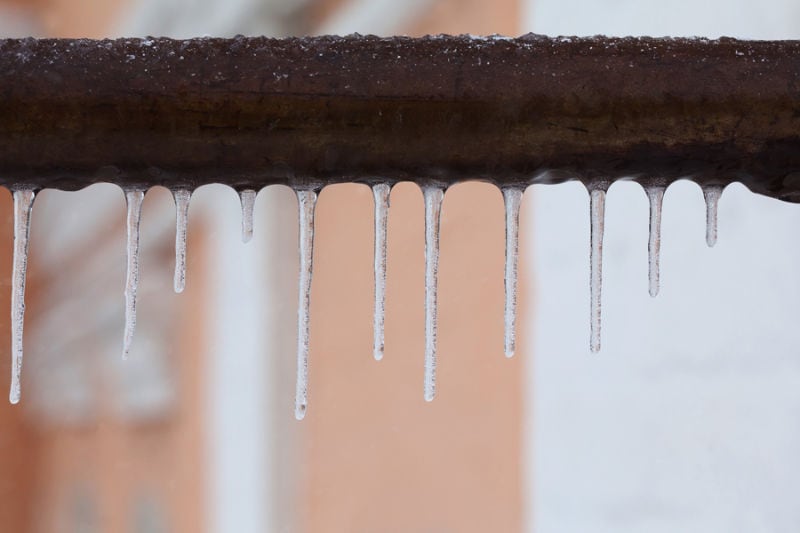
When winter arrives in New England, homeowners often focus on keeping their heating systems running efficiently. While your HVAC system plays a major role in winter comfort, your plumbing system also deserves attention before temperatures drop below freezing.
Frozen pipes are one of the most common calls we get at H.L. Bowman. Sometimes homeowners are lucky and can have them thawed without extensive damage, but in many cases, it’s a costly winter home issue that leads to burst pipes and subsequent water damage, and expensive repairs.
However, a little preparation before cold weather hits can go a long way toward protecting your Harrisburg, PA, home. By insulating exposed pipes, shutting off outdoor faucets, and taking a few preventative measures, you can significantly minimize the risk of freeze-related plumbing damage.
Why Frozen Pipes Are Such a Serious Problem
Many homeowners assume that frozen pipes only happen during extreme cold snaps. In reality, pipes can begin freezing whenever temperatures fall below 32°F, especially if they’re located in unheated areas such as basements, crawl spaces, attics, garages, or along exterior walls.
The biggest danger isn’t necessarily the ice itself. As water freezes, it expands. This expansion creates pressure inside pipes that can eventually cause them to crack or burst. Once temperatures rise and the ice melts, water can escape through damaged sections and flood parts of your home.
Even a small pipe leak can result in significant water damage to drywall, flooring, insulation, furniture, and personal belongings. Preventing frozen pipes is almost always less expensive and less stressful than dealing with emergency plumbing repairs.
Insulate Vulnerable Pipes Before Winter Arrives
One of the simplest and most effective ways to protect your plumbing system is by insulating exposed pipes. You should cover pipes located in:
- Unfinished basements
- Crawl spaces
- Garages
- Attics
- Utility rooms
- Exterior-facing walls
Pipe insulation is available in foam sleeves, fiberglass wraps, and other easy-to-install materials. These products help slow heat loss and keep water inside pipes warmer during cold weather.
While insulation may not completely prevent freezing during prolonged periods of extreme cold, it lessens the chances of frozen pipes and provides an important first line of defense.
Don’t Forget Outdoor Faucets and Hose Bibs
Outdoor plumbing fixtures are especially vulnerable to winter damage because they’re directly exposed to freezing temperatures.
Before the first hard freeze:
- Disconnect and store garden hoses.
- Drain any remaining water from outdoor faucets.
- Shut off interior water supply valves serving exterior spigots.
- Open outdoor faucets to allow residual water to drain.
- Install insulated faucet covers for additional protection.
Taking these simple steps each fall can help protect both outdoor faucets and the pipes connected to them.
Failing to disconnect hoses is a surprisingly common mistake. Water trapped inside a connected hose can back up into the faucet and connected piping, increasing the risk of freezing and pipe damage.
Seal Air Leaks Around Plumbing
Cold air infiltration is a major contributor to frozen pipes. Small openings around plumbing penetrations can allow freezing outdoor air to enter walls, crawl spaces, and utility areas.
Inspect areas where pipes pass through:
- Exterior walls
- Basement foundations
- Crawl space entrances
- Utility penetrations
Seal with caulk or use weatherstripping or expanding foam around gaps to prevent cold drafts from reaching vulnerable plumbing lines.
This step also improves your home’s energy efficiency by eliminating sources of heat loss, helping your HVAC system operate more effectively throughout the winter.
Keep Indoor Temperatures Consistent
Some homeowners try to save money by dramatically lowering thermostat settings when they’re away from home. While modest adjustments can help reduce energy use, excessively low indoor temperatures can increase the risk of frozen pipes.
During winter, it’s generally best to keep indoor temperatures around 55ºF at a minimum, even when you’re traveling. Keeping your home’s heating system running helps ensure that plumbing lines located inside walls and other concealed spaces stay above freezing.
Smart thermostats can make this easier by letting you monitor and adjust temperatures remotely while maintaining safe settings for your plumbing system.
Open Cabinet Doors During Extreme Cold
Kitchen and bathroom plumbing is often located along exterior walls. During severe cold spells, opening cabinet doors can help warm household air circulate around pipes.
This simple trick is especially helpful for:
- Kitchen sink plumbing
- Bathroom vanities
- Laundry room plumbing
Allowing warmer indoor air to reach these areas can provide additional protection during periods of unusually low temperatures.
Know the Warning Signs of a Frozen Pipe
Despite your best efforts, pipes can occasionally begin to freeze during severe weather events.
Watch for warning signs such as:
- Reduced water flow from faucets
- Frost visible on exposed pipes
- Unusual sounds coming from plumbing lines
- Water that stops flowing entirely
If you suspect a pipe has frozen, act quickly. Turn on the affected faucet and gently warm the pipe with warm towels, a space heater set to a safe distance, or warm air from a hair dryer. Never use open flames or propane torches to thaw pipes. These methods create serious fire hazards and can damage plumbing materials.
If you’re unable to safely restore water flow, contact H.L. Bowman to send out one of our qualified plumbing professionals.
Schedule Preventative Maintenance Before Winter
One of the best ways to prepare your home for winter is with a professional plumbing inspection. Our experienced plumbers can identify vulnerable piping, insulation deficiencies, shut-off valve issues, and other problems before freezing temperatures arrive.
A preventative inspection can also uncover small leaks or aging plumbing components that may become larger issues during the winter months.
For homeowners throughout New England, where our winter chill increases the risk of frozen pipes, proactive maintenance helps reduce the likelihood of emergency service calls when temperatures are at their coldest.
Protect Your Home Before the First Freeze
Winter weather is unpredictable, but plumbing damage doesn’t have to be. By insulating exposed pipes, shutting off outdoor faucets, sealing air leaks, maintaining warm indoor temperatures, and scheduling preventative maintenance, homeowners can prevent frozen and burst pipes.
The key is preparation. Taking action before temperatures fall below freezing gives your plumbing system the protection it needs throughout the winter season.
If you’d like expert guidance on winterizing your home’s plumbing system, the team at H.L. Bowman serves homeowners in Harrisburg, PA, and throughout New England with trusted plumbing, heating, and home comfort solutions. Preparing now can help you avoid costly repairs later and keep your home safe, comfortable, and protected all winter long.
Need HVAC or Plumbing Service?
Contact the experts at HL Bowman.
Call us at 717-561-1206!