
Simple Ways to Lower Cooling Costs During the Hottest Months
The heat is on as we move into midsummer in Harrisburg, PA.
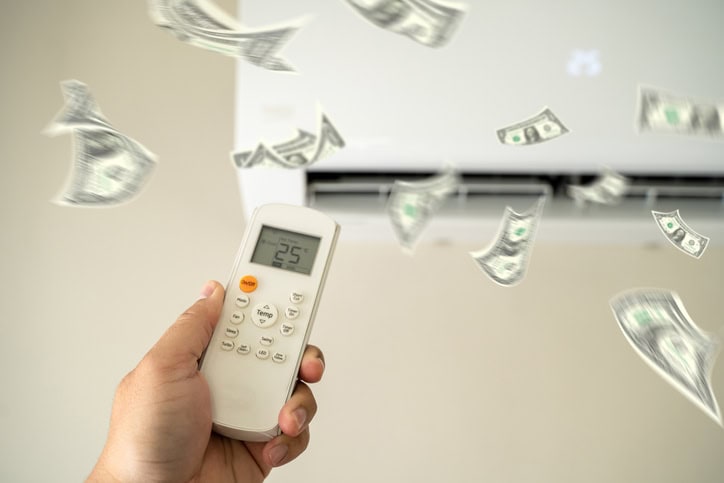
According to the National Oceanic and Atmospheric Administration (NOAA), July clenches the title as the hottest month of the year on average across the United States. As outdoor temperatures climb into the 80s, 90s, and triple digits, your air conditioner works overtime, and your electricity bills can skyrocket.
Can You Lower Cooling Costs in July?
Even in the hottest month of the year, you can take steps to lower your energy consumption and electricity bills. At H.L. Bowman, we can help you find cost savings so you won’t have to sweat through summer indoors. By making minor strategic choices, you can net savings even in midsummer.
To help you tackle the hottest heat of the season, we have put together a calendar of 31 distinct, practical tips, one for every day of the hottest month.
Your Thermostat Helps You Save on Cooling Costs
1. Raise the Temperature: Dial your thermostat up 7° to 10° when your home is unoccupied. Turning it up when you are gone for the day can shave up to 10 percent off your annual bills.
2. Set it from 75° to 78°F Indoors: The U.S. Department of Energy recommends setting the thermostat as high as possible without reducing comfort, starting with 75° to 78°F.
3. Auto Fan Setting: If you are using the “on” setting, you are wasting energy because the fan continues to run even while your AC isn’t actively cooling. Switch the thermostat fan to “auto.”
4. Install a Smart Thermostat: Celebrate freedom from manually setting your indoor temperature! Let us at H.L. Bowman install a Wi-Fi-enabled smart thermostat that automatically adjusts to your daily schedule. You’ll curb wasteful cooling and save money.
5. Don’t Heat Your Thermostat: Avoid placing heat-generating lights or appliances near your thermostat that might cause it to run longer and waste electricity.
Try These Household Tips to Save on Utility Bills
6. Clear Obstructed Air Vents: Walk around your home and ensure there is a two-foot boundary around all supply registers and return air grilles so air can flow.
7. Vacuum Vent Covers: Turn your AC off before removing grilles and registers. Vacuum them to remove dust and occasionally wash them in a sink or tub with mild liquid dish soap. Be sure they are dry before reinstalling them and turning the system on.
8. Open Interior Doors: Closing bedroom doors creates pressure blockages in your ductwork, restricting airflow. Keep doors open or slightly cracked to encourage natural cross-ventilation.
9. Run Ceiling Fans: Set your ceiling fan to run counterclockwise in the summer. It forces air down and creates a cool wind-chill sensation on your skin.
10. Turn Fans Off in Empty Rooms: Fans cool people, not rooms. Turn them off when you walk out.
11. Seal Visible Window Leaks: Use silicone caulk to seal small exterior cracks around windows to block hot outdoor air from entering your home.
12. Weatherstrip Exterior Doors: Close gaps around doors.If you can see daylight beneath your front or back door, invest in a new door sweep.
Reduce Solar Heat to Gain Cost Savings
13. Close South-Facing Blinds: Pull blinds, drapes, or shades tight during peak daylight hours to eliminate solar heat spikes.
14. Buy Thermal Drapes: Heavy blackout curtains or insulated blinds act as a shield against outdoor heat.
15. Plant Shade Trees: Planting leafy trees on the west or south sides of your property naturally blocks high summer sun.
Appliances, Cooking, and Lighting Tips for Summer
16. Fire Up the Grill: Take dinner outdoors on hot afternoons. Using your indoor stove or oven radiates heat, forcing your AC to run significantly longer.
17. Use Your Air Fryer: If you must cook indoors, use compact counter appliances that generate only a fraction of the heat an oven creates.
18. Delay Hot Appliance Cycles: Run your dishwasher and clothes dryer late at night or early in the morning when the outdoor temperatures are low.
19. Switch to LED Bulbs: Old incandescent bulbs are incredibly inefficient because they waste approximately 90 percent of their energy on heat. Use LED bulbs instead.
20. Air-Dry Your Dishes: Turn off the high-heat dry setting on your dishwasher and let your plates air-dry.
DIY HVAC Care to Help Lower Your AC Bill
21. Replace Dirty Filters: A dusty, clogged air filter restricts airflow and makes your AC work harder. Replace standard air filters every 30 to 90 days. Higher-efficiency filters can last six months to one year.
22. Hose Off the Outdoor Unit: Turn off your system and use a garden hose on a gentle setting to rinse away grass clippings, dirt, and pollen on your outdoor unit’s condenser fins.
23. Create a Debris-Free Zone: Maintain a two-foot cleared zone around your exterior compressor unit so it can exhaust heat efficiently.
24. Clear the Condensate Drain Line: Pour a cup of regular white vinegar into your indoor AC drain line three or four times every year to prevent algae buildup and water overflows. During the summer, when your AC works constantly, add a quarter cup of vinegar each month. Be sure to turn off your AC before adding the vinegar.
Professional HVAC Enhancements That Help Save Money
25. Schedule a Tune-Up: A certified technician from H.L. Bowman can inspect, test, clean, and calibrate components, boosting system efficiency.
26. Seal Your Ductwork: Up to 30 percent of conditioned air can escape through unsealed gaps in your air ducts. A pro can seal those connections permanently.
27. Insulate Ducts: If your ducts run through a roasting attic, ask us at H.L. Bowman to insulate them. Insulation will keep cool air from warming up as it travels through the hot attic.
28. Evaluate Attic Insulation: If your attic floor doesn’t have adequate insulation, the heat will infiltrate rooms below.
29. Clean the Evaporator Coil: If dust slips past your filter and cakes onto the indoor coil, it destroys heat transfer. One of our qualified technicians can chemically clean the coil to instantly restore performance.
30. Consider a Variable-Speed Upgrade: A variable-speed system allows the AC to run on low most of the day, saving money on energy use.
31. Consider a Zone Control System: Zoning separates your home into independent heating and cooling areas. It allows you to stop cooling empty spaces without harming system pressure.
Start Saving on Energy Bills Today
You don’t have to implement all 31 ideas overnight to see a real change in your Harrisburg, PA, home. Pick a few simple DIY habits today, watch how your home responds, and make a plan for the rest of the summer. In the meantime, H.L. Bowman is here to help with HVAC maintenance, repairs, and installations. Call us at 717-287-5504 or request service online.

Need HVAC or Plumbing Service?
Contact the experts at HL Bowman.
Call us at 717-561-1206!